

Keene Pest Control
Why November Is Prime Time for Rodent Exclusion Services
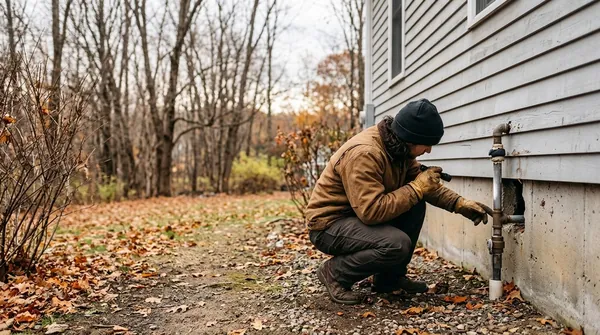
The best time to stop a mouse problem is before a single mouse gets inside. Across the area, that window is open right now. Once rodents settle into a wall void or attic for the winter, getting rid of them gets harder, messier, and more expensive. That's exactly why rodent exclusion services matter most in the weeks before hard frost locks in. Keene Pest Control LLC focuses on sealing the entry points that let rodents in before they ever chew their first hole.
Why Rodents Are Still a Problem in November
Winters across New Hampshire and Vermont have grown milder and more unpredictable in recent years. That fluctuation lets mice and rats stay active longer into the cold season instead of slowing down. The region remains one of the highest rodent-pressure areas in the country, and that pressure peaks right as homeowners start closing up for winter.
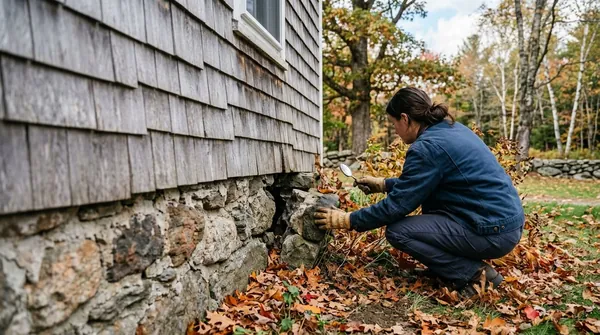
Fallen leaves, stacked firewood, and quiet crawlspaces all give rodents cover near foundations. As nighttime temperatures drop, they start searching for warm, dry voids inside walls and basements. A home that looked rodent-free in October can have unwelcome guests by December.
The Hidden Cost of Waiting
Most property owners don't think about rodent control until they already have a problem. Industry data shows only about 11% of property owners schedule preventative rodent control, while the rest wait for scratching sounds or droppings before calling anyone. By that point, an infestation is usually already established.
Waiting costs more than peace of mind. Rodents gnaw wiring, insulation, and stored belongings, and their droppings create real sanitation concerns. A proactive approach is almost always cheaper and less disruptive than reactive cleanup after the fact.
What Rodent Exclusion Services Actually Involve
Exclusion is different from simply setting traps after an infestation starts. It's a structural approach aimed at closing off access before rodents ever arrive. A thorough inspection looks for:
- Gaps around foundation cracks and utility penetrations
- Openings where pipes or cables enter the home, sometimes as small as a quarter inch
- Loose or damaged roofline flashing and soffit vents
- Gaps beneath doors, garage seals, and crawlspace access points
- Firewood piles or dense brush stacked too close to exterior walls
Once these entry points are identified, a technician seals them with durable, rodent-resistant materials. This structural work, paired with ongoing monitoring, is what separates lasting prevention from a one-time spray or a handful of traps.
Signs You Need Exclusion Work Now
Some homes show warning signs well before a full infestation develops. Watch for these clues as temperatures continue to drop heading into winter:
- Scratching or scurrying sounds inside walls, especially at night
- Small, dark droppings near baseboards, pantries, or garages
- Gnaw marks on stored boxes, wood trim, or wiring insulation
- Unexplained pet agitation near certain walls or cabinets
- Visible daylight through foundation or sill gaps from inside a basement
Catching even one of these early can prevent a much larger problem once snow accumulates and rodents have fewer reasons to leave.
What to Expect From a Professional Inspection
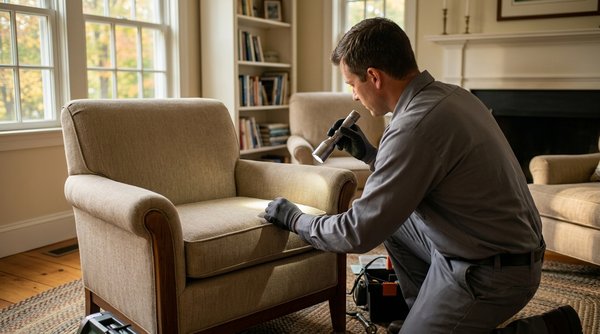
A proper exclusion visit starts with a walk around the exterior, then moves to attics, basements, and crawlspaces. Technicians look for the small, overlooked gaps that homeowners rarely notice on their own. Clients across the service area notice something specific. They value a technician who finds entry points they'd never notice. That technician also keeps rodent activity controlled long after the first visit.
After sealing identified entry points, many homeowners pair the work with routine seasonal checks. This keeps new gaps from developing as the house settles or weather shifts. For broader seasonal pest guidance throughout the year, the blog covers additional tips worth reviewing.
Protecting Your Home Before the Cold Sets In
November is a narrow but important window. Rodents are actively seeking winter shelter, but the ground isn't frozen yet, which makes sealing and repair work far more practical. Addressing gaps now, rather than after the first snowfall, gives a home its best shot at staying rodent-free through the coldest months.
Homeowners throughout Keene, Swanzey, Peterborough, and surrounding communities face the same seasonal pattern every year. Taking action early is simply more effective than waiting for a problem to announce itself.
Frequently Asked Questions
What time of year is best for rodent exclusion services?
Late fall, including November, is ideal for rodent exclusion. Rodents are actively searching for winter shelter. The ground is still workable too, making it easier to seal foundation gaps and entry points.
How small of a gap can let a mouse inside?
Mice can squeeze through openings as small as a quarter inch. That's why thorough inspections focus on pipe penetrations, vents, and foundation cracks, not just obvious holes.
Is exclusion better than just setting traps?
Traps address rodents already inside, but exclusion prevents new ones from entering in the first place. Combining both offers more complete, longer-lasting protection.
Can firewood near my house attract rodents?
Yes. Woodpiles stacked close to exterior walls give rodents cover and easy access to hidden gaps, so moving firewood farther from the foundation helps reduce risk.
Do commercial properties need rodent exclusion too?
Yes. Restaurants, rental housing, and other commercial buildings face the same seasonal rodent pressure and often have stricter sanitation standards to maintain.
Mice and rats are actively looking for a way in as the weather cools, and a quick inspection now can save real headaches later. Reach out to Keene Pest Control LLC to schedule rodent exclusion services before winter takes hold.