

Keene Pest Control
Bed Bug Inspection: Stop Guessing, Start Solving
Ninety percent of pest control calls where homeowners suspect bed bugs turn out to be a completely different pest. That single fact changes everything about how you should respond to a suspicious bite or unexplained itching.
Keene Pest Control LLC sees this scenario play out regularly. A homeowner notices red marks on their skin, assumes the worst, and reaches for a store-bought spray. Weeks later, the problem has gotten worse and money has been wasted. The real culprit, often a carpet beetle or cockroach, was never addressed at all.
A professional bed bug inspection is not just a precaution. It is the fastest, most cost-effective first step you can take.
Why So Many Homeowners Get It Wrong
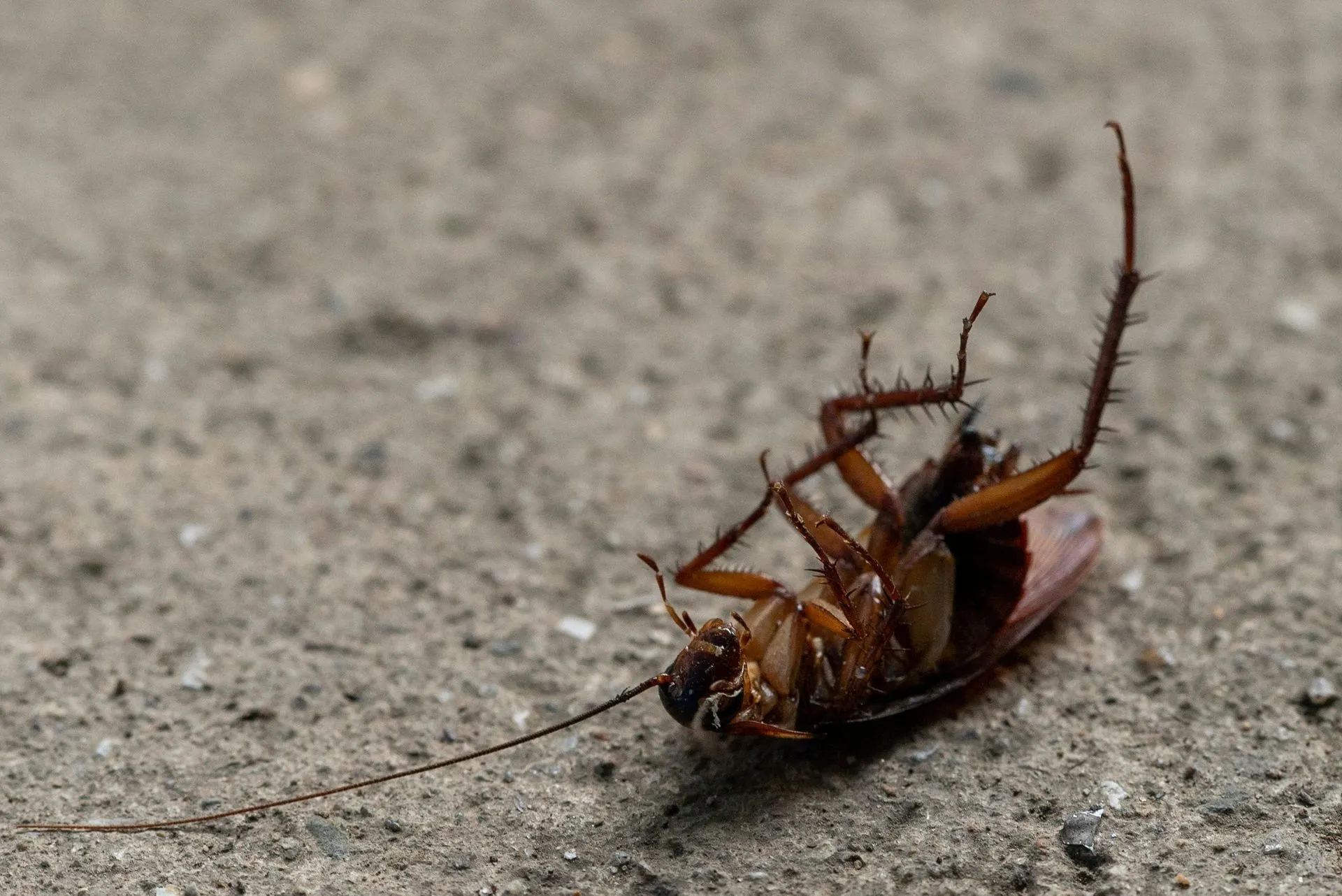
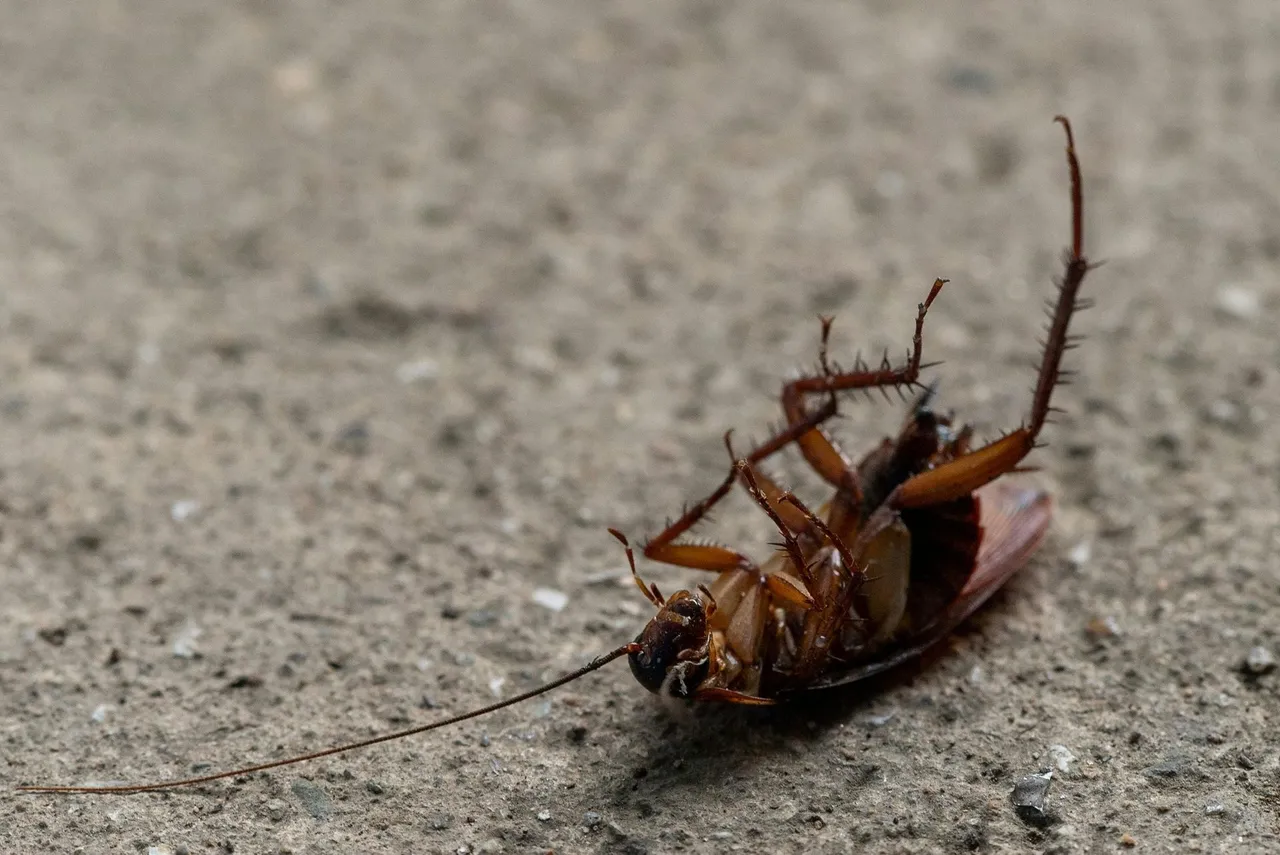
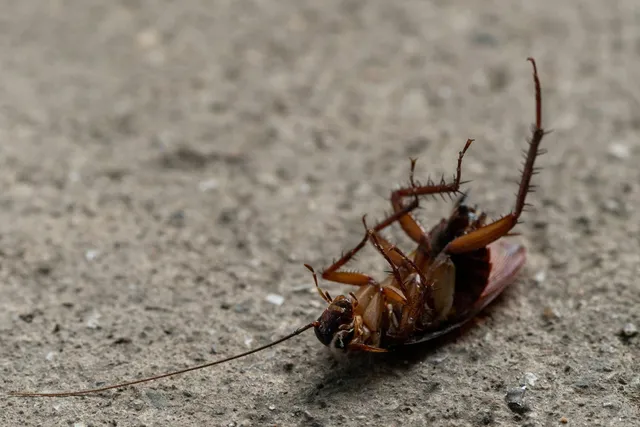
Pest misidentification is incredibly common. According to nationwide survey data, when homeowners suspect bed bugs, the actual pest is a carpet beetle in roughly 60% of cases, a fly species in about 48% of cases, and a cockroach in around 32% of cases.
These numbers are striking. Most bites, stains, and shed skins that send people into a panic are not bed bugs at all. The problem is that different pests require entirely different treatments. Spraying a bed bug product on a carpet beetle infestation accomplishes nothing. Worse, it can scatter some species, spreading the problem further into your home.
Getting the identification right at the start is everything.
What a Professional Inspection Actually Covers
A thorough bed bug inspection goes far beyond pulling back your sheets. Pest behavior in 2026 has shifted in ways that make simple visual checks unreliable.
Bed bugs are increasingly found in locations that most people never think to check:
- Backpacks, luggage, and travel bags stored in closets
- Phone cases, tablet sleeves, and active electronic devices
- Narrow wall crevices in recently renovated rooms
- Upholstered furniture far from the bedroom
- Baseboards and flooring gaps in older homes
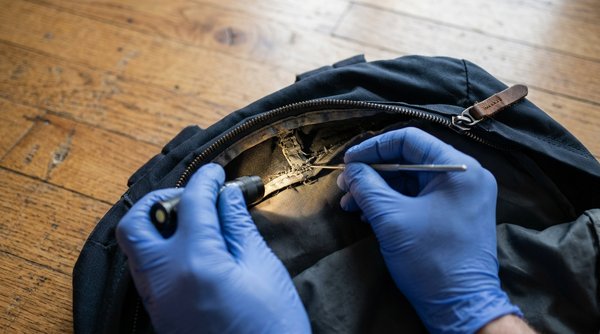
The heat generated by modern electronics is a genuine attractant. Bed bugs are hitchhikers and opportunists. They follow warmth and carbon dioxide, not just mattress seams.
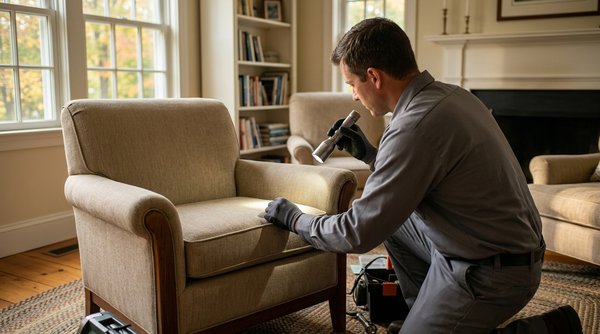
A trained inspector knows exactly where to look. They bring pattern recognition and equipment that goes well beyond what any homeowner can replicate on their own. The result is a reliable answer, not an educated guess.
The Real Cost of Skipping the Inspection
Many homeowners skip the professional step because they want to act fast. That instinct is understandable. But the math rarely works in their favor.
Over-the-counter bed bug treatments are expensive. They are also frequently ineffective, especially against other pest species. If the pest is not accurately identified, you are spending money on the wrong solution repeatedly. By the time a professional is called in, the infestation, whether bed bugs or something else, has often grown significantly.
There is also the issue of chemical misuse. Applying the wrong pesticide can drive some pests deeper into wall voids or further into furniture. A professional bed bug inspection short-circuits this cycle entirely. You spend less overall, and you solve the actual problem.
Keene Homes and Hidden Pest Pressures
Older New England homes present unique challenges. Many properties in the area feature stone foundations, historic woodwork, and tight structural gaps that are ideal hiding places for a range of pests. As September arrives and temperatures begin to drop, insects and rodents are already looking for warmth.
That shift in outdoor conditions pushes pests toward the interior of homes. It also means that a bed bug or misidentified pest problem can quickly compound as other species exploit the same entry points. Addressing one issue often means uncovering others at the same time.
Year-round vigilance matters here. Pest pressure in the Monadnock region does not pause for the cooler months. A professional inspection in early fall can reveal problems that would otherwise go unnoticed until they become much harder to manage.
Signs You Should Schedule an Inspection Now
Do not wait for a full-blown infestation before calling. These are signs that a professional inspection makes sense immediately:
- You have unexplained bites or skin irritation with no obvious cause.
- You have noticed small dark stains on upholstery or mattress seams.
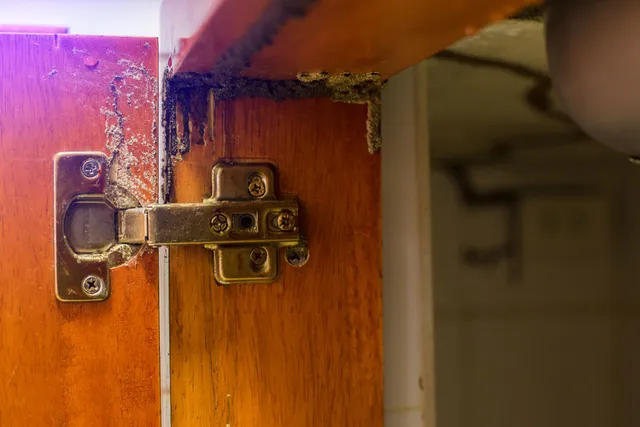
- You have found shed insect skins but cannot identify the pest.
- You recently traveled, purchased used furniture, or had overnight guests.
- You tried a store-bought treatment and the problem did not resolve.
Any one of these situations justifies a professional look. Several of them together make it urgent.
A pest problem does not get better on its own. The sooner you know exactly what you are dealing with, the sooner you can solve it for good.
Ready to stop guessing and get a real answer? Request a professional inspection today and protect your home with a targeted plan that addresses the right pest from the start.
Frequently Asked Questions
How long does a professional bed bug inspection take?
Most residential inspections take between 30 and 90 minutes depending on the size of the home and the number of rooms being evaluated.
What if the inspector finds a different pest instead of bed bugs?
That is a common and valuable outcome. Knowing the exact pest immediately directs treatment toward the correct solution, saving you time and money compared to guessing on your own.
Do I need to prepare my home before an inspection?
Your pest control professional will give you specific guidance. Generally, keeping rooms accessible and avoiding moving furniture before the visit helps the inspector work efficiently.
Are bed bug inspections only for residential properties?
No. Commercial properties including rental units, hotels, and office spaces benefit from routine inspections, especially if employees or clients travel frequently.
Can bed bugs really hide in electronics and backpacks?
Yes. Pest professionals in 2026 are increasingly finding bed bug activity in electronics, phone cases, and travel bags. Any item that retains body heat is a potential hiding spot.