

Keene Pest Control
Year-Round Pest Prevention in Keene: Fall Prep Guide
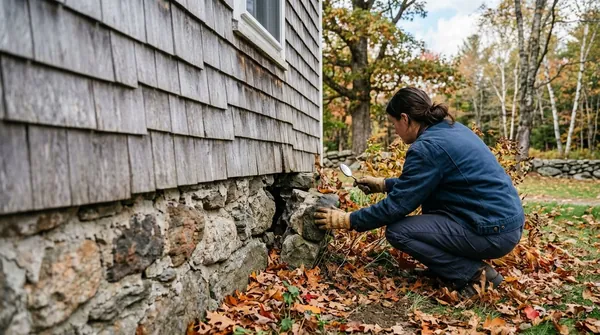
Year-round pest prevention in Keene means sealing your home's exterior now, before falling temperatures push ants, mice, and other pests indoors for the winter. October is the last real window to act before the cold sets in and pests start looking for a warm place to hide.
For decades, a hard New Hampshire winter did the dirty work for homeowners. Freezing temperatures killed off insect populations and reset the clock every spring. That pattern is changing.
Why Year-Round Pest Prevention in Keene Matters More Than It Used To
Milder winters across the Monadnock region are letting pests stay active later into the season. Entomologists now describe these surges as "bumper pest crops," referring to booming populations of ants, ticks, and mosquitoes that keep breeding well past when they used to disappear.
That shift changes the calendar for homeowners. Instead of treating pest control as a spring chore, the smarter move is securing your home's perimeter before early spring arrives. October in Keene, with its cooling days and dropping nights, is exactly when pests start hunting for winter shelter.
Waiting until you see a problem means you're already behind. A proactive approach catches gaps and attractants before pests find them first.
The Rodent Problem Hiding in Plain Sight
Keene's older homes and historic building stock create a lot of hidden opportunity for mice and rats. These structural pests remain the top intruder concern across New Hampshire, especially once nighttime temperatures start dropping.
Here's what makes rodents so tough to manage:
- A mouse can squeeze through a gap the size of a dime.
- Once inside, rodents chew through wiring and insulation, causing real structural damage.
- Cooler fall weather is exactly when they start actively searching for entry points.
- Traps and bait only address rodents already inside, not the ones still coming.
That last point is the key shift happening in pest management right now. Exclusion, meaning the physical sealing of entry points, has become the standard for lasting rodent control. Trapping alone just manages a symptom. Finding and closing every crack, gap, and vent opening stops the cycle before it starts.
What Effective Prevention Actually Looks Like
Good pest prevention isn't a single spray treatment. It's a layered approach built around your home's specific vulnerabilities.
A thorough prevention plan typically includes:
- Exterior inspection to identify gaps, cracks, and vulnerable entry points.
- Sealing and exclusion work around foundations, utility lines, and rooflines.
- Targeted perimeter treatment to discourage ants, spiders, and other seasonal invaders.
- Follow-up visits timed to seasonal pest activity, not just a once-a-year checkup.
This is where local knowledge matters. A technician familiar with Keene's housing stock knows where older foundations tend to crack and where fieldstone basements typically let pests slip through. That local expertise is part of why homeowners in the area continue to call Keene Pest Control LLC each fall.
Building a Habit, Not a One-Time Fix
Homeowners often ask for a single visit and expect the problem solved for good. Pest pressure doesn't work that way anymore, especially with longer active seasons stretching into what used to be dormant months.
Think of prevention like maintaining your furnace or gutters. Skipping a season doesn't cause immediate disaster, but it compounds. A small gap ignored in October can become a rodent nest by January.
Customers who work with a consistent provider often mention how refreshing it is to get clear answers without pressure toward a long-term contract they don't need. That kind of honest, no-upsell communication builds trust, especially when the recommendation is simply "seal this gap" rather than a bigger sales pitch.
Signs Your Home Needs Attention Now
Not sure if your property needs a fall pest check? Watch for these warning signs before winter arrives:
- Small dark droppings near baseboards, pantries, or attic corners.
- Scratching sounds within walls, especially at night.
- Gaps around utility pipes, dryer vents, or foundation cracks.
- Ant trails near kitchen counters or window sills.
- Chewed cardboard, insulation, or wiring in storage areas.
Catching these early is far easier than dealing with a full infestation mid-winter, when access to crawl spaces and exteriors becomes harder in the cold.
Fall is the right time to walk your property's exterior with a trained eye before the cold really sets in. Reach out to Keene Pest Control LLC to schedule an inspection and build a prevention plan suited to your home.
Frequently Asked Questions
How often should I schedule pest prevention service in Keene?
Most homes benefit from prevention visits tied to seasonal transitions, particularly in fall before pests seek winter shelter and again in spring as populations rebound. Year-round coverage keeps pace with the region's extended pest activity.
Can I handle exclusion work myself?
Simple gaps around obvious openings can sometimes be sealed with basic materials, but rodents and insects find weaknesses homeowners often miss. A professional inspection identifies entry points that aren't visible from a casual walk-around.
Does fall weather actually affect pest behavior in Keene?
Yes. As temperatures drop, pests actively search for warmth and shelter, making October and November peak months for indoor intrusion attempts. This makes fall one of the most important times to reinforce your home's exterior.
Is year-round prevention worth it if I haven't had pest problems before?
Prevention is far less disruptive and costly than addressing an active infestation. With longer pest seasons becoming the norm, waiting for a visible problem often means missing the easiest window to stop it.