

Keene Pest Control
How to Spot Early Signs of Termite Damage in New Hampshire Homes
Termites are one of the most destructive pests homeowners in New Hampshire can face. Because they work quietly and often remain hidden, many homeowners do not realize there is a problem until serious damage has already occurred. At Keene Pest Control LLC, we have seen firsthand how early detection can save you thousands of dollars in repairs and protect the long-term value of your home.
Understanding how to recognize the early warning signs of termites allows you to act quickly and schedule a professional termite inspection before the infestation spreads. In this guide, we walk you through what to watch for, where termites hide, and why timely
termite control in New Hampshire is essential for protecting your property.
Why Termites Are a Serious Threat to New Hampshire Homes
New Hampshire’s climate provides conditions that termites find appealing, especially in areas with moisture, wood-to-soil contact, and aging structures. While termites are often associated with warmer southern states, they are very much present here and can cause extensive damage if left untreated.
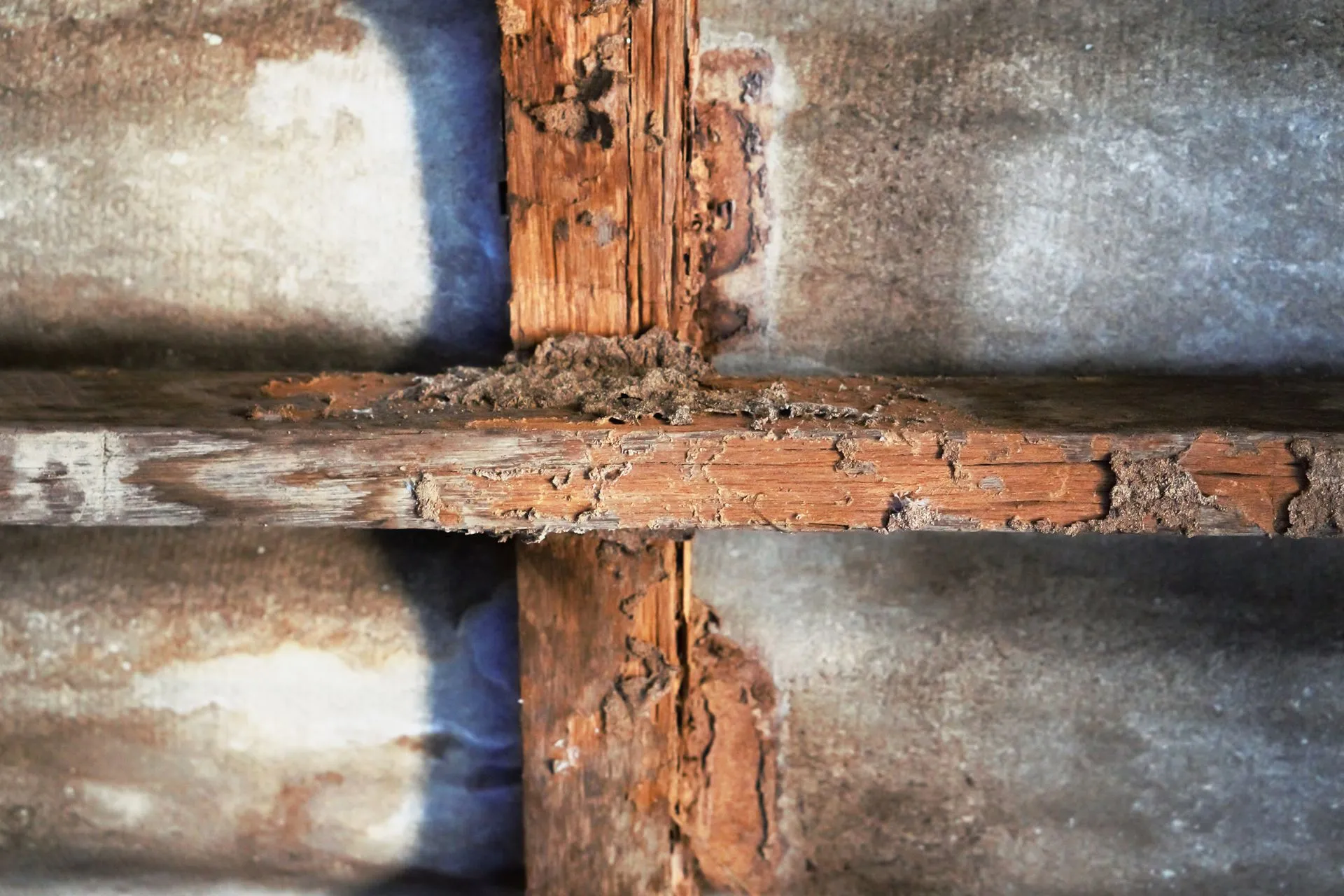
Termites feed on cellulose, which is found in wood and many building materials used in homes. Over time, their feeding weakens support beams, flooring, walls, and even foundations. Because termites consume wood from the inside out, visible damage often appears only after the infestation has been active for months or even years.
This is why proactive monitoring and regular termite inspection services are so important. The earlier you spot the signs, the easier it is to control the problem.
Common Early Signs of Termite Damage to Watch For
One of the biggest challenges with termites is that they are rarely seen out in the open. However, there are subtle indicators that can alert you to their presence if you know what to look for.
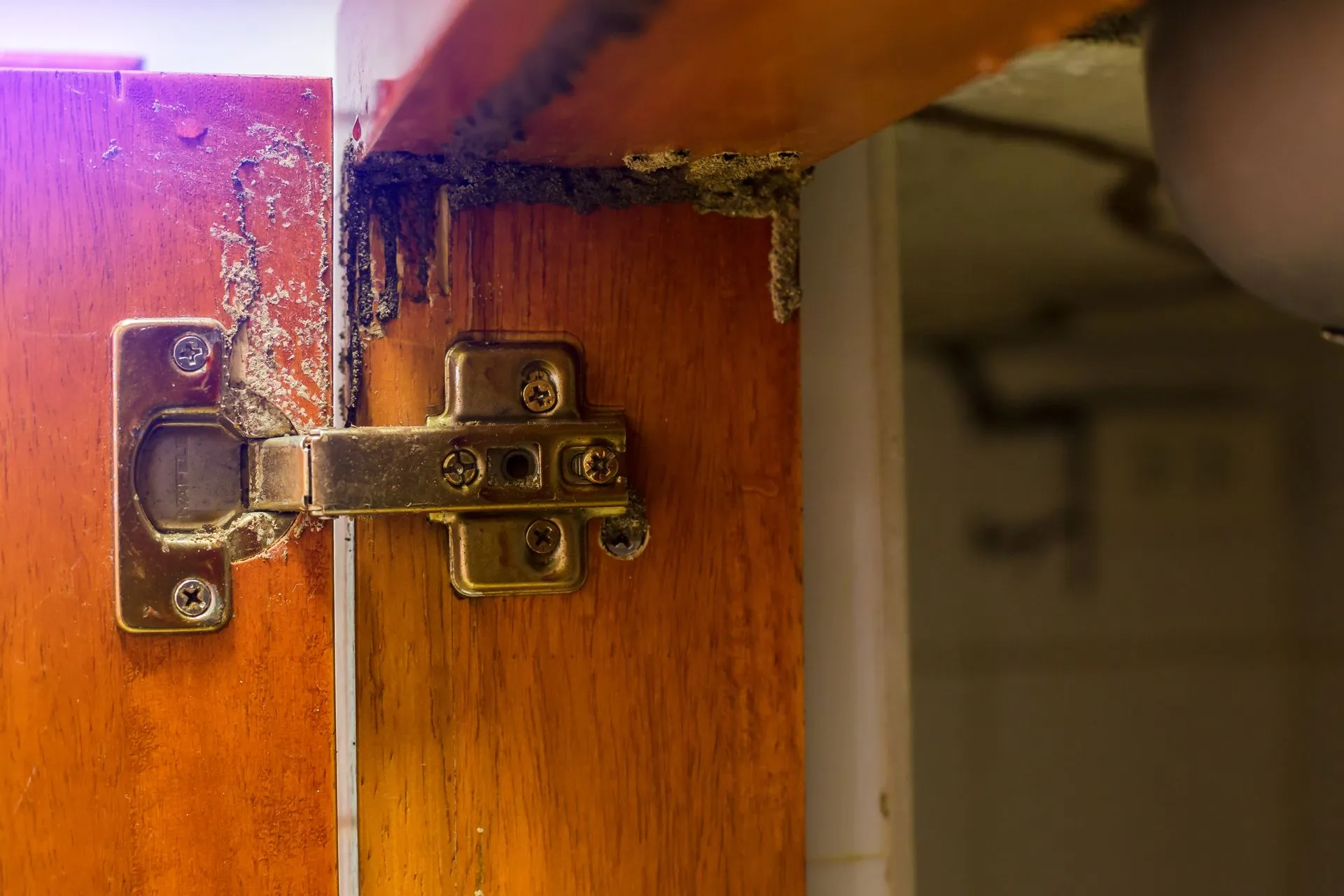
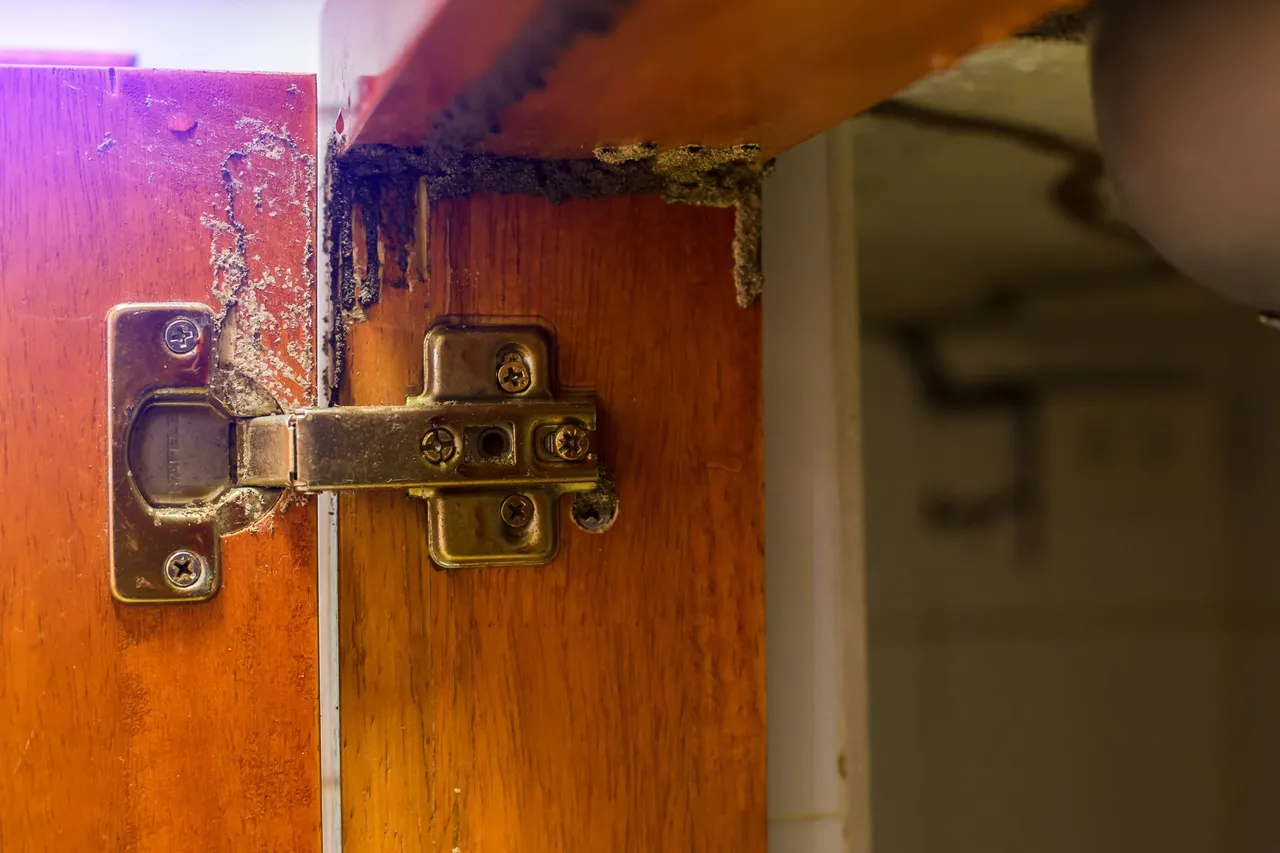
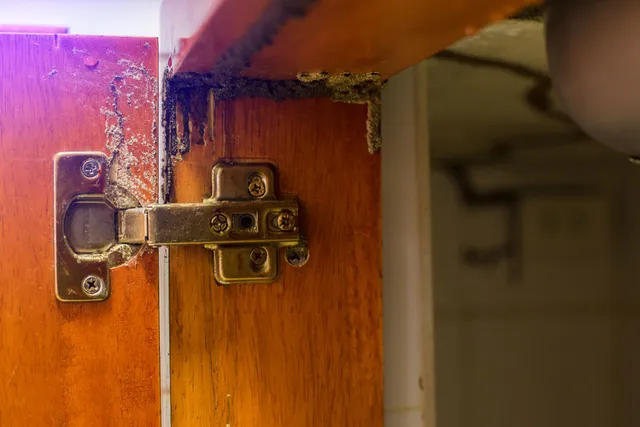
Mud tubes are one of the most common signs of subterranean termites. These pencil-sized tunnels are often found along foundation walls, crawl spaces, or basement surfaces. Termites use these tubes to travel between their colony and your home while staying protected from light and air.
You may also notice wood that sounds hollow when tapped. Termites eat the interior of wood first, leaving only a thin outer layer. If a wooden beam, door frame, or baseboard sounds hollow or feels unusually weak, it may be a sign of termite activity.
Another early indicator is the presence of discarded wings. During certain times of the year, termites swarm to form new colonies. After swarming, they shed their wings near windowsills, doorways, or light sources. Finding small piles of wings inside your home should prompt an immediate Keene termite inspection.
Areas of Your Home Most Vulnerable to Termites
Knowing where termites are most likely to start helps you stay one step ahead. In New Hampshire homes, moisture is often the key factor that attracts termites.
Basements and crawl spaces are high-risk areas, especially if there is poor ventilation or water intrusion. Wooden support beams, sill plates, and subflooring in these spaces are common targets.
Bathrooms and kitchens are also vulnerable due to plumbing and higher humidity levels. Even a slow leak can create ideal conditions for termites over time.
Outside your home, wood piles, mulch, tree stumps, and wooden decks can act as entry points. Termites often establish colonies in these areas and then move into the structure. Keeping a clear separation between soil and wood materials is an important preventative step.
Why Professional Termite Inspection Matters
While homeowner awareness is valuable, nothing replaces a professional termite inspection. Termites are experts at staying hidden, and many infestations go unnoticed without trained eyes and specialized tools.
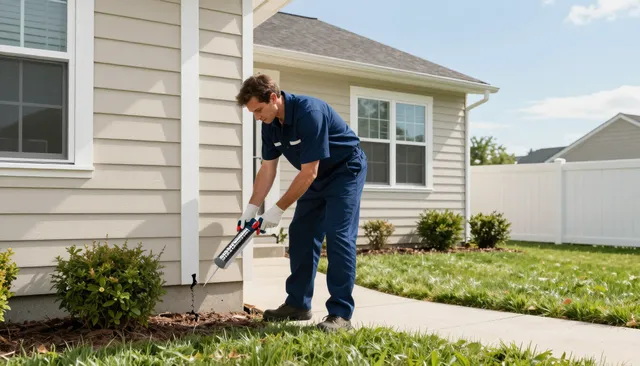
When we perform a termite inspection at Keene Pest Control LLC, we examine both the interior and exterior of your property. We look for active termites, previous damage, moisture issues, and conditions that may attract termites in the future.
A professional Keene termite inspection also provides peace of mind. Whether you are concerned about a specific sign or simply want to protect your investment, regular inspections help ensure that small problems do not turn into major structural issues.
If termites are found, we can immediately recommend effective termite control in New Hampshire tailored to your home’s needs.
Preventing Termite Damage Before It Starts
Prevention is always more cost-effective than repairs. There are several steps you can take to reduce the risk of termites, but professional guidance is key.
Reducing moisture around your home is one of the most important preventative measures. This includes fixing leaks, improving drainage, and ensuring gutters direct water away from the foundation.
Keeping firewood, lumber, and debris away from your home also limits termite access points. Regularly inspecting wooden structures such as decks and fences can help you catch problems early.
Most importantly, scheduling routine termite inspection services ensures ongoing protection. Even if your home shows no visible signs of damage, termites can still be present. Ongoing monitoring allows us to detect activity early and apply targeted termite control in New Hampshire before damage spreads.
Contact Keene Pest Control LLC for Trusted Termite Protection in New Hampshire
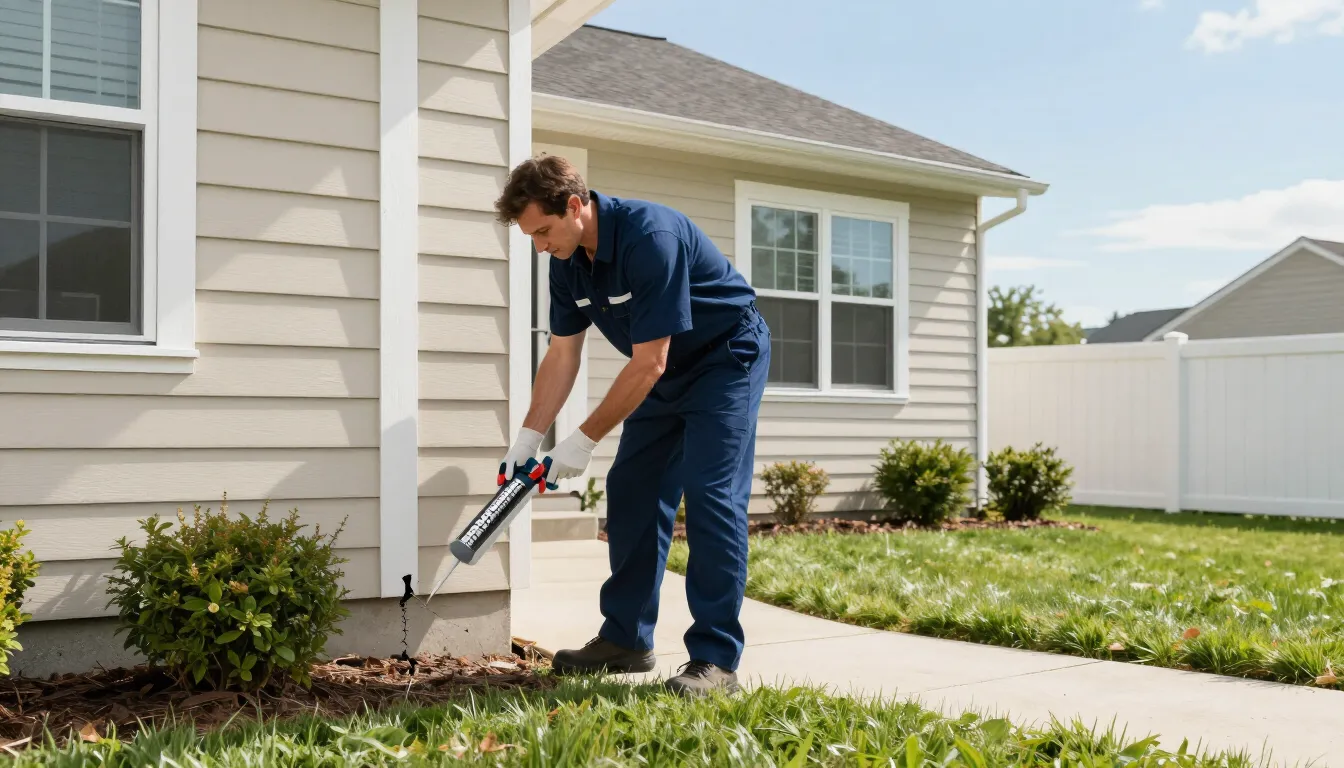
If you suspect termites or want to safeguard your home, we are here to help. At Keene Pest Control LLC, we provide reliable termite inspection and proven termite control solutions for homeowners throughout Keene and surrounding New Hampshire communities.
We also deal with
bed bugs and
carpenter ants. Call us today at
(603) 352-7336 to schedule your professional Keene termite inspection. Let us help you protect your home, your investment, and your peace of mind.
FAQs
Are termites common in New Hampshire homes?
Yes, termites are present in New Hampshire and can affect both older and newer homes, especially those with moisture issues or wood-to-soil contact.
How often should I schedule a termite inspection?
We recommend a professional termite inspection at least once a year or anytime you notice signs such as mud tubes or hollow-sounding wood.
Can termites cause serious structural damage?
Yes, termites can weaken support beams, flooring, and walls over time, leading to costly repairs if not addressed early.
What is the best way to prevent termites?
Reducing moisture, eliminating wood contact with soil, and scheduling regular termite inspections are the most effective prevention methods.
What should I do if I think I have termites?
Contact a professional pest control company immediately. Early termite control in New Hampshire is critical to minimizing damage.