

Keene Pest Control
Pest Inspections in Keene: What You're Missing
A professional pest inspection in Keene can catch a serious infestation weeks or even months before a homeowner ever notices a single bug. That early warning makes all the difference between a quick fix and a costly, stressful ordeal.
Keene Pest Control has seen firsthand how New Hampshire's unpredictable climate shifts the stakes every single season. In 2026, that pressure is more intense than ever.

Keene's Climate Is Working Against You
New Hampshire winters have become dramatically more volatile. Sharp temperature swings and milder cold spells mean pests survive in higher numbers than in past decades.
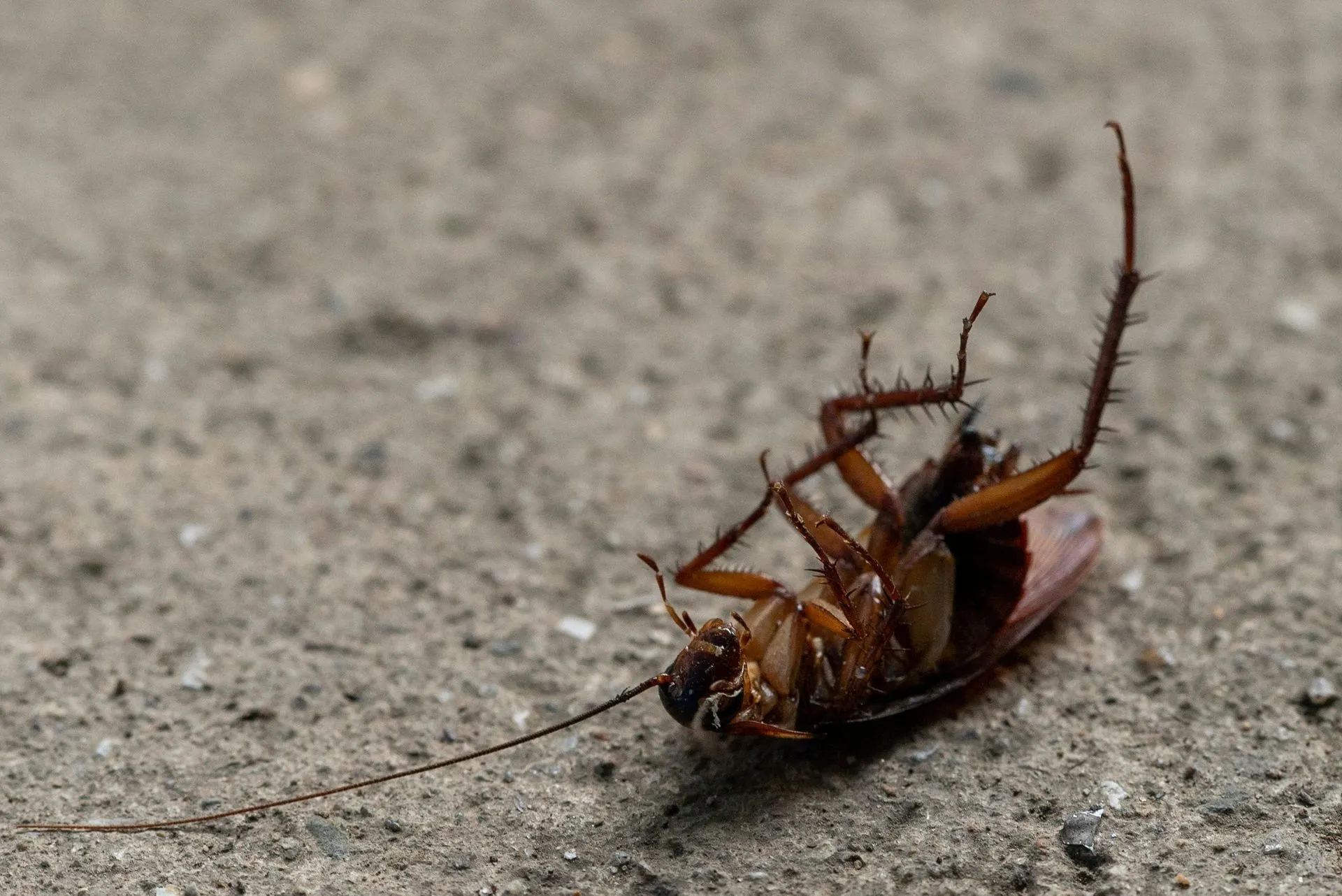
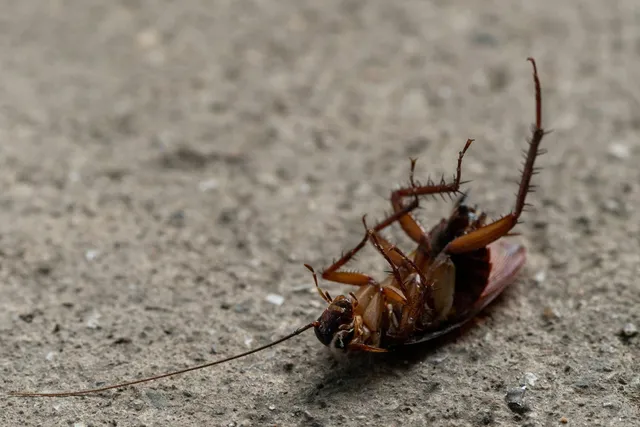
Mice, rats, spiders, cluster flies, and stink bugs are pushing against home foundations earlier and harder. They are looking for warmth, food, and a safe place to nest. Your walls and crawl spaces are exactly what they need.
Ticks and stinging insects are also emerging much earlier in the spring than Keene residents typically expect. By the time most homeowners think "pest season," an infestation may already be established inside the structure.
What a Professional Inspector Actually Finds
This is the core issue. Most homeowners do a surface-level scan. They look for droppings, listen for scratching, maybe check a few corners.
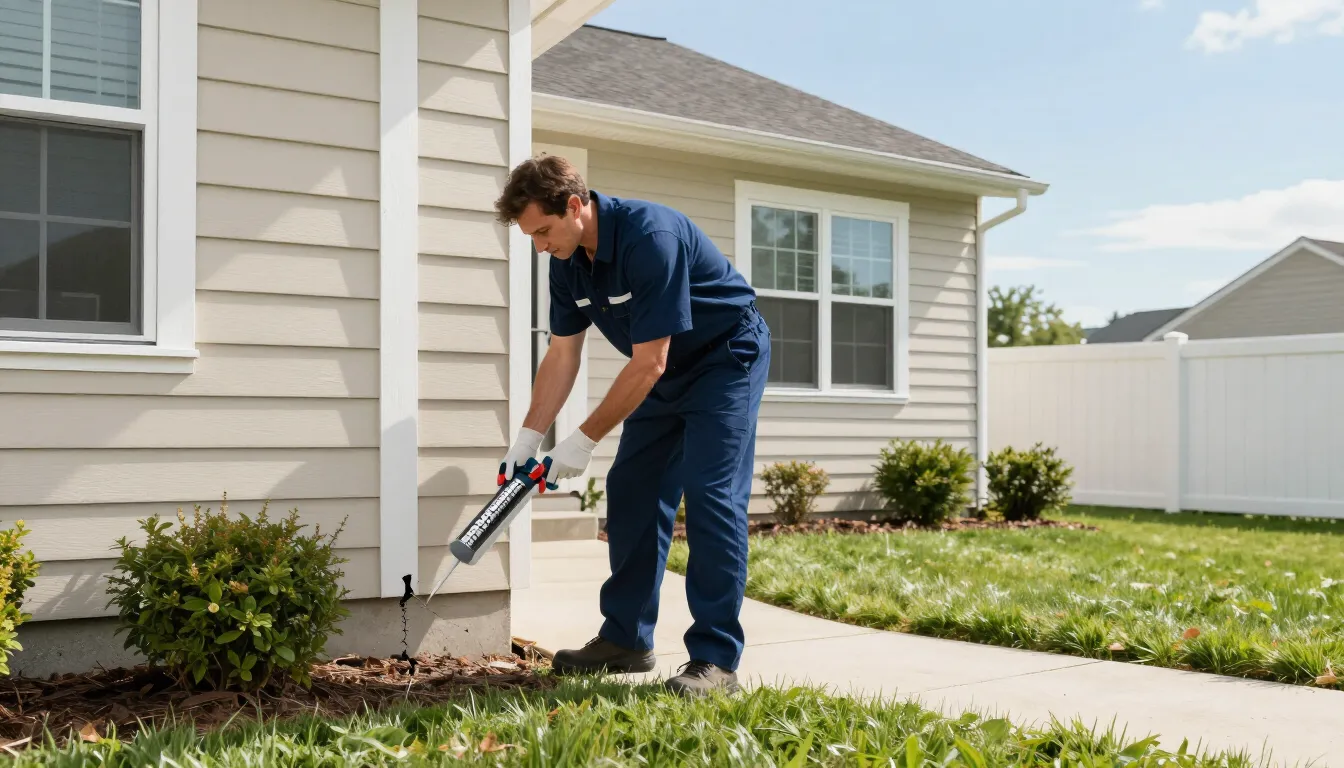
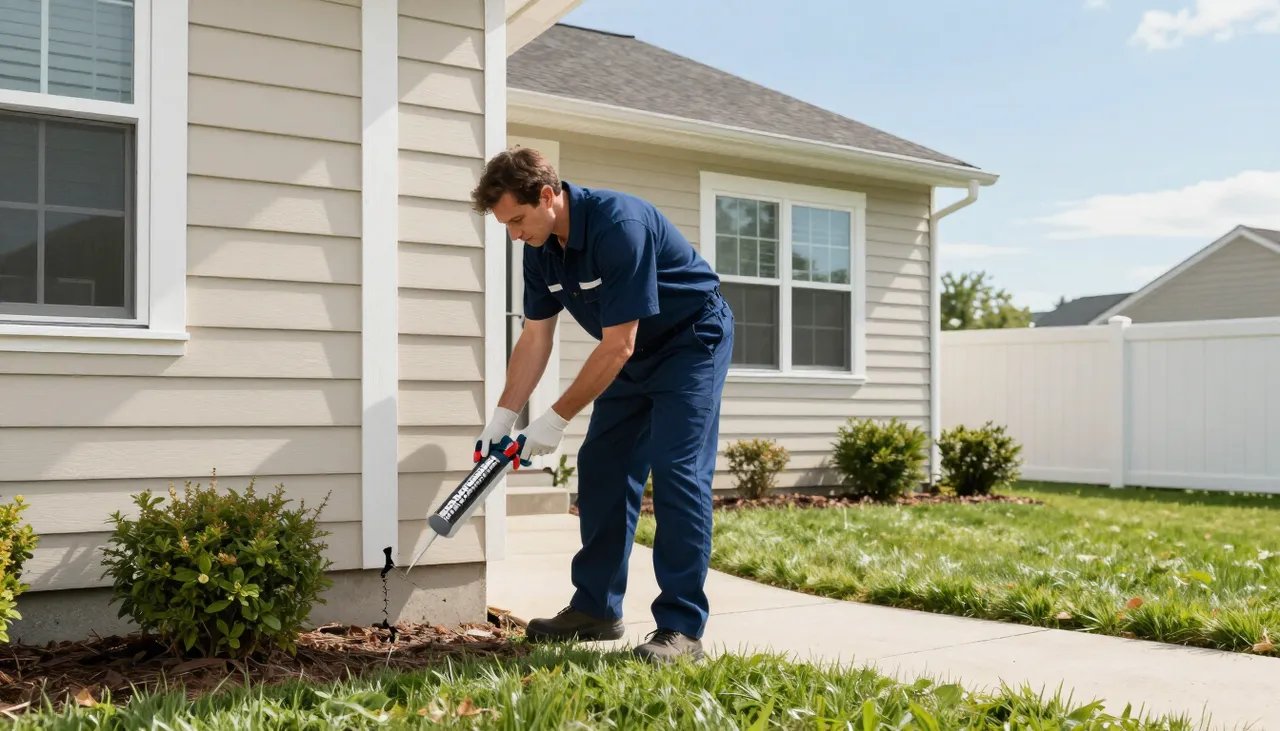
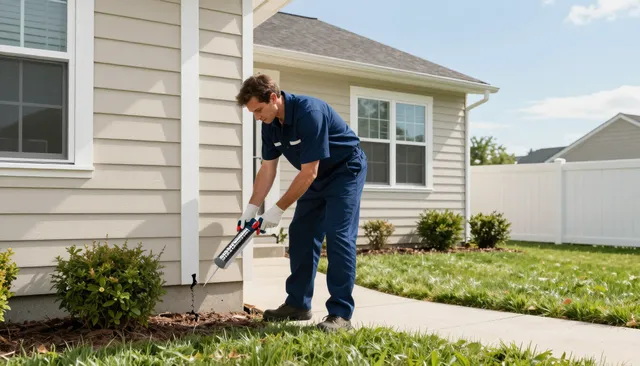
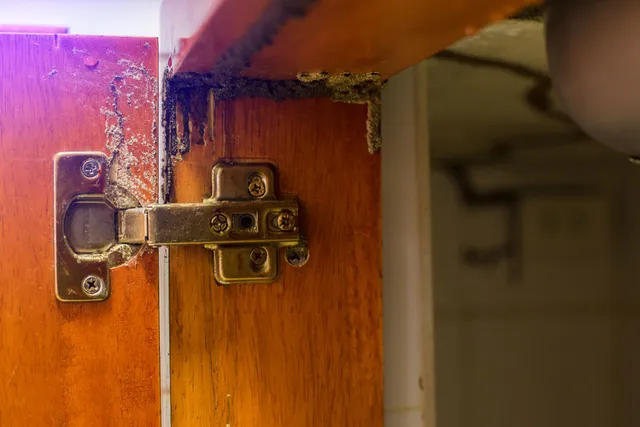
A trained inspector thinks differently. They look for structural vulnerabilities that you would never think to examine. Here is what a professional pest inspection in Keene typically covers:
Foundation gaps and cracks where rodents and insects enter undetected
Moisture zones near pipes, sump pumps, and crawl spaces that attract pests
Siding separations and soffit gaps that provide hidden harborage points
Attic insulation disturbance indicating active rodent nesting
Early-stage bed bug evidence in multi-unit or rental properties
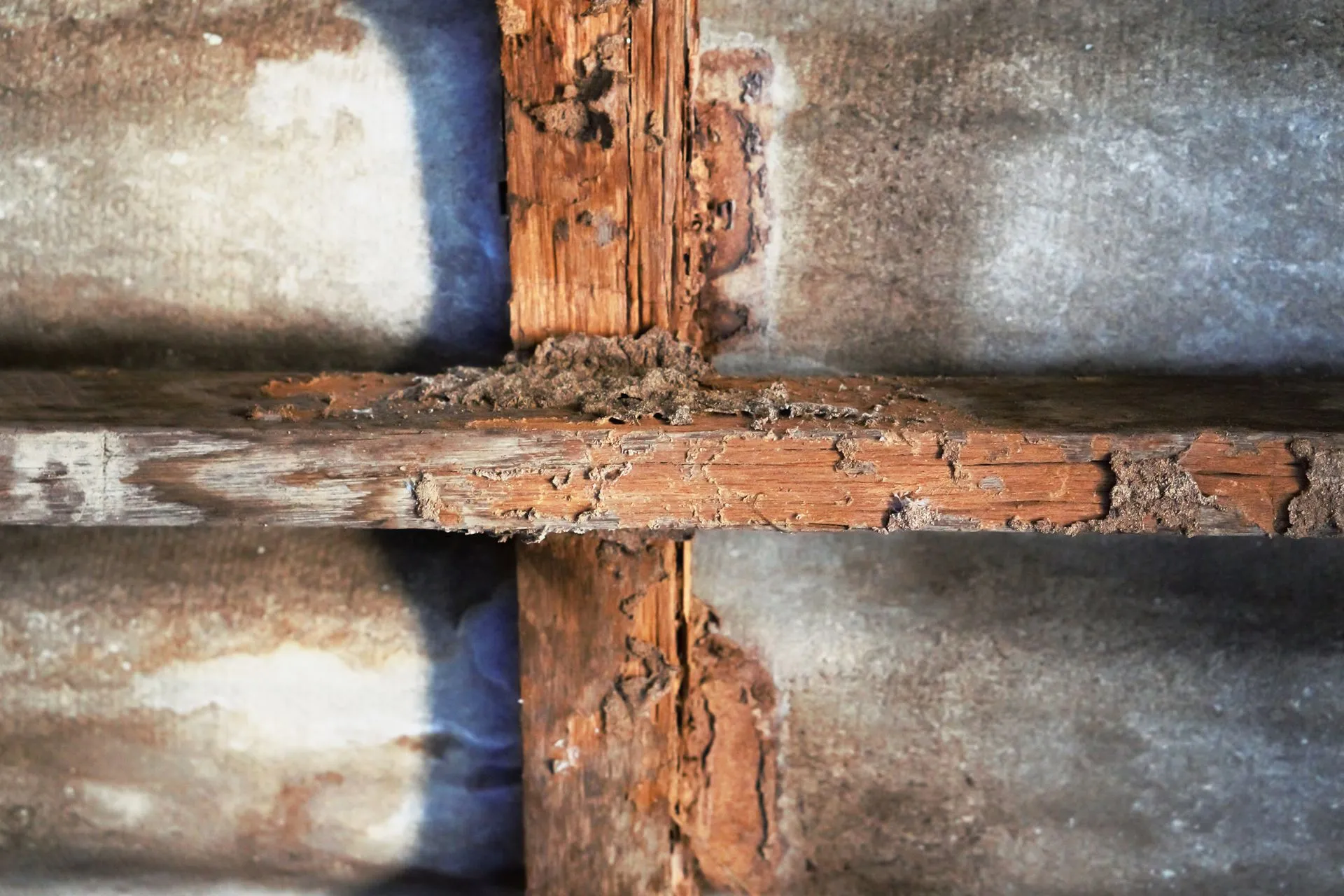
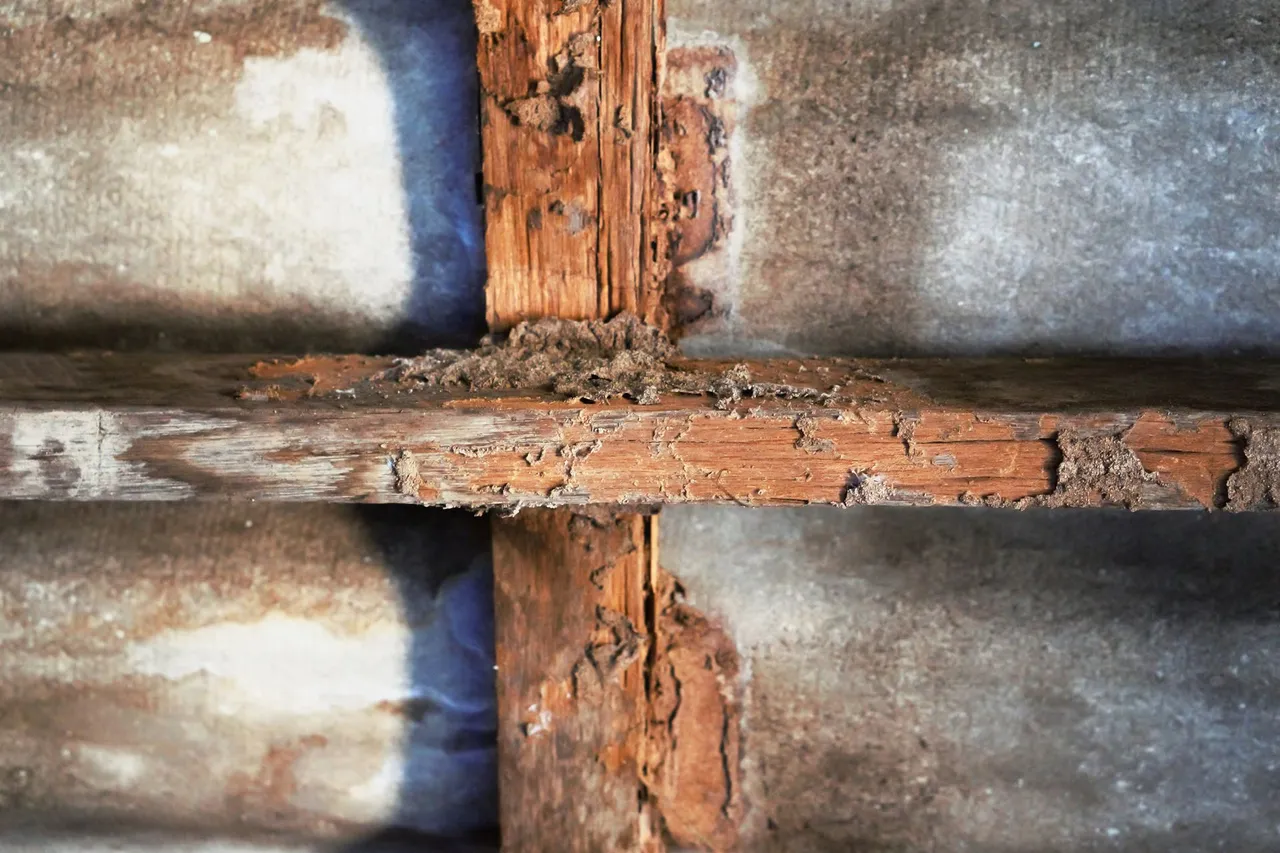
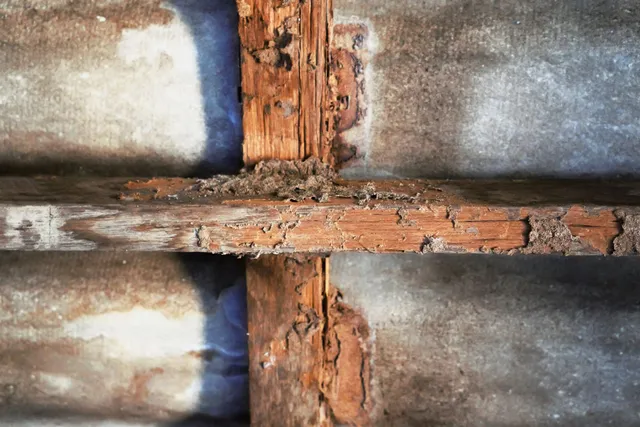
Conducive conditions like wood-to-soil contact that invites termites and carpenter ants
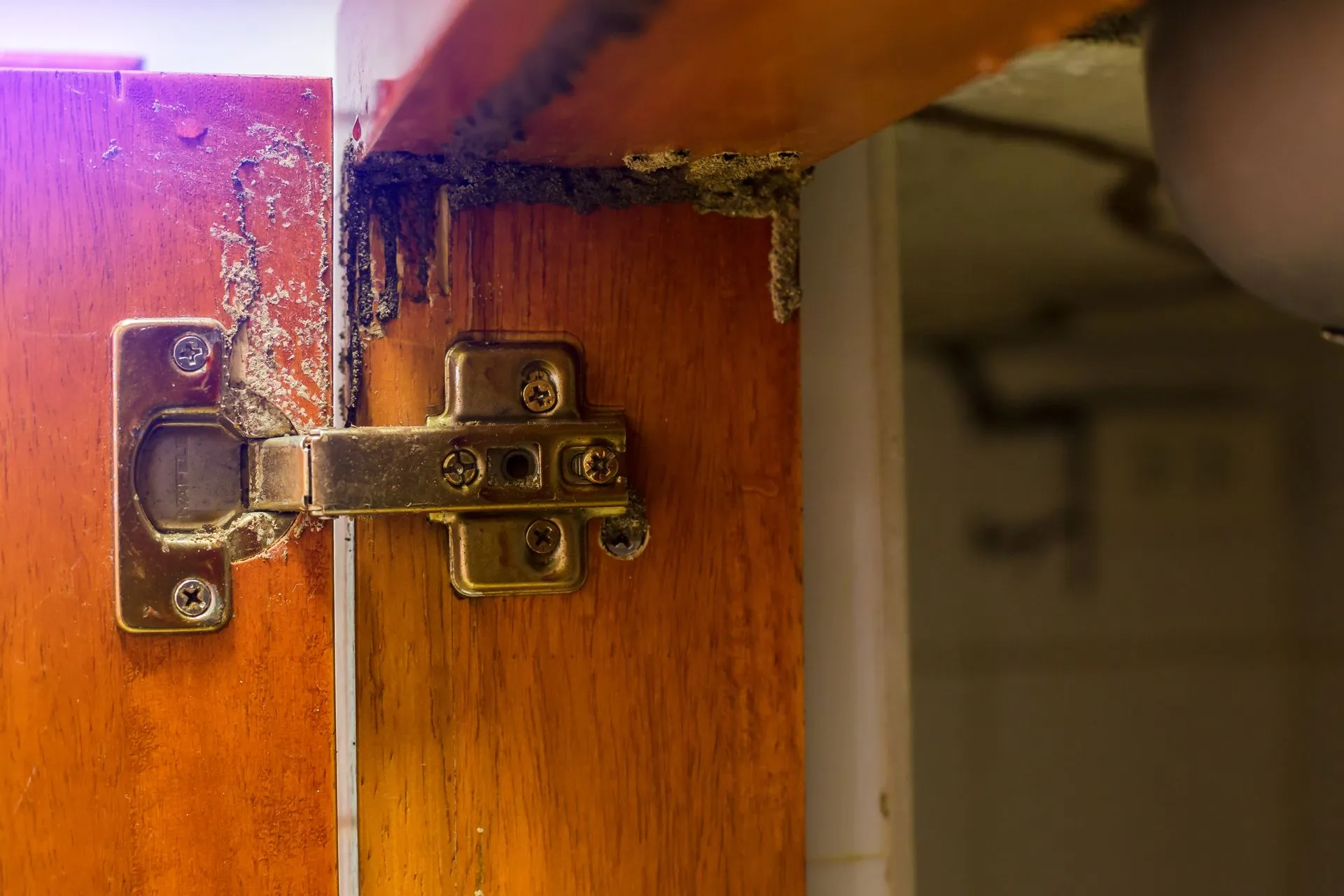
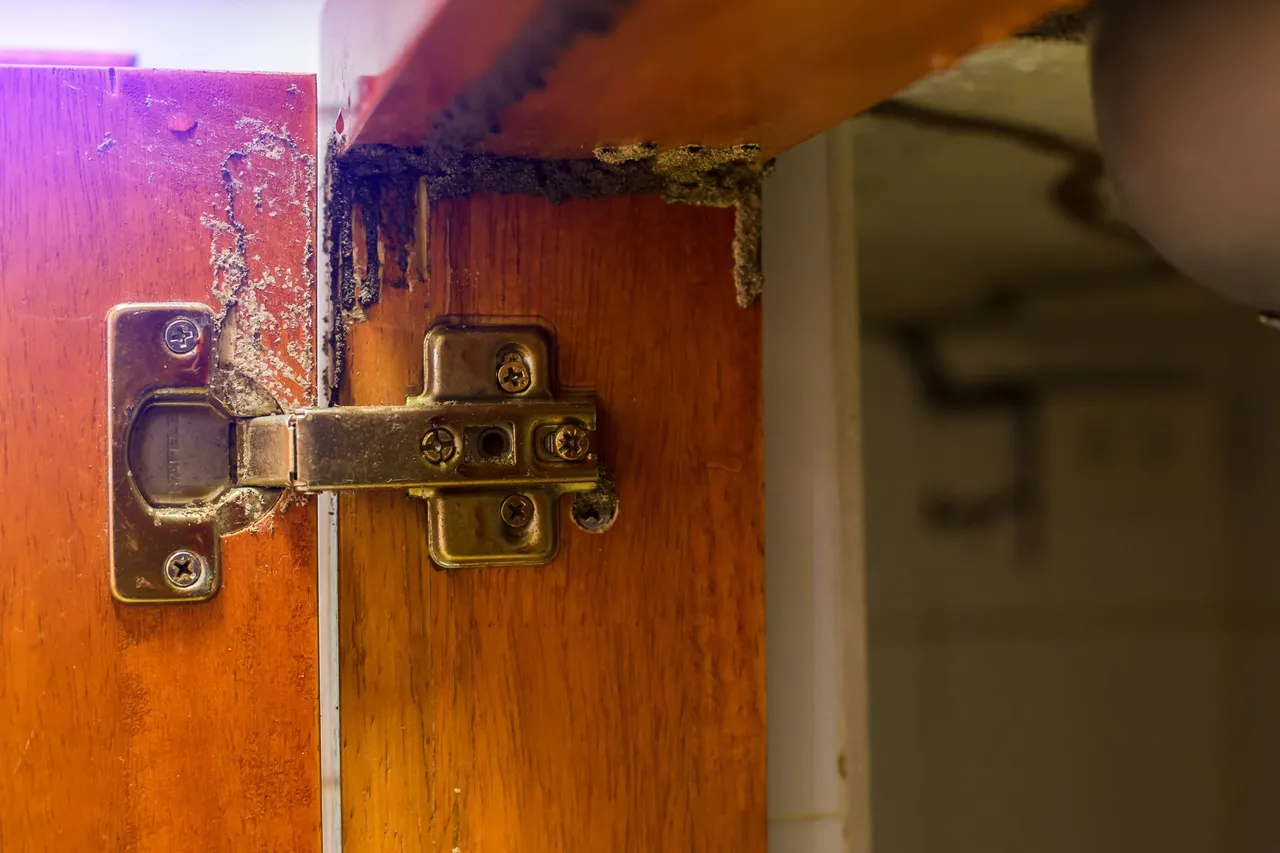
These are not things that casual observation catches. A professional knows exactly where to look and what evidence to interpret.
The DIY Trap: How Good Intentions Backfire
Many Keene homeowners try to get ahead of pest problems on their own. The impulse is completely understandable. Retail sprays are cheap and widely available.
The problem is that broad-spectrum pesticides from a hardware store often make infestations worse. When pests like ants or bed bugs are exposed to these chemicals, they trigger a survival response called "budding." The colony splits. Fragments scatter deeper into walls, creating multiple sub-colonies that are far harder to eliminate.
Spraying without a precise inspection first is like treating a symptom while ignoring the underlying cause. You may see fewer pests for a week. Then the problem comes back, larger and more spread out than before.
Professional inspections identify the exact species involved and the precise nesting location. That information drives targeted, low-impact treatments that actually eliminate the colony from the inside out.
Bed Bugs: A Special Case for Keene Renters and Landlords
Keene's rental market and its college community create elevated bed bug risk. Students move frequently. Shared laundry facilities, second-hand furniture, and travel all create pathways for bed bugs to spread.
The statistics are sobering. According to data from the National Pest Management Association, only 29% of Americans can correctly identify a bed bug. That means the vast majority of people have no idea what to look for.
Under New Hampshire law (RSA 48-A:14), once a tenant reports a suspected bed bug problem, landlords must investigate and take action within seven days. That is a tight window. Having a professional inspector you can call immediately is not a luxury for landlords in Keene. It is a legal necessity.
DIY sprays will not solve a bed bug problem. Professional heat treatments or targeted chemical applications, following a rigorous inspection, are essential. Eggs and hidden nesting areas require a level of precision that over-the-counter products simply cannot deliver.
When Should You Schedule an Inspection?
Early action is the single most cost-effective strategy. Industry experts are clear: identifying structural vulnerabilities before spring hits prevents major infestations later in the year. Waiting until you see obvious signs of pest activity means you are already behind.
Here are the best times to schedule pest inspections in Keene:
- Late winter or early spring before pests become active and mobile
- Before purchasing or renting a property to avoid inheriting someone else's problem
- After any significant home renovation that may have opened new entry points
- Following a neighbor's infestation since pests migrate between adjacent properties
- Annually as a routine measure to maintain a pest-free home year-round
There is no bad time to get an inspection. There are, however, plenty of costly moments when you will wish you had done it sooner.
Do not wait until you see the problem to act. Early inspections save Keene homeowners significant time, money, and stress every single year. Contact Keene Pest Control today to schedule your
professional pest inspection and get ahead of what the season will bring.
Frequently Asked Questions
How long does a professional pest inspection take?
Most residential inspections take between 30 and 60 minutes, depending on the size and condition of the property. Commercial properties may require more time.
Will an inspection cause any disruption to my home?
Very little. Inspectors examine accessible areas like attics, basements, crawl spaces, and the exterior perimeter. You typically do not need to move furniture or vacate the property.
Can an inspection detect bed bugs I cannot see?
Yes. Trained inspectors know exactly where bed bugs hide, including behind outlet covers, inside box springs, and along baseboards. These are places the untrained eye consistently misses.
Is a pest inspection worth it if I have not seen any pests?
Absolutely. Many serious infestations, especially with rodents and bed bugs, go undetected for months. An inspection gives you confirmation and peace of mind, or catches a problem before it escalates.
How often should Keene homeowners schedule inspections?
Once a year is the general recommendation. If you live near wooded areas, own a rental property, or have had past pest activity, twice a year is a smart precaution.